
Could a new treatment improve stroke recovery?
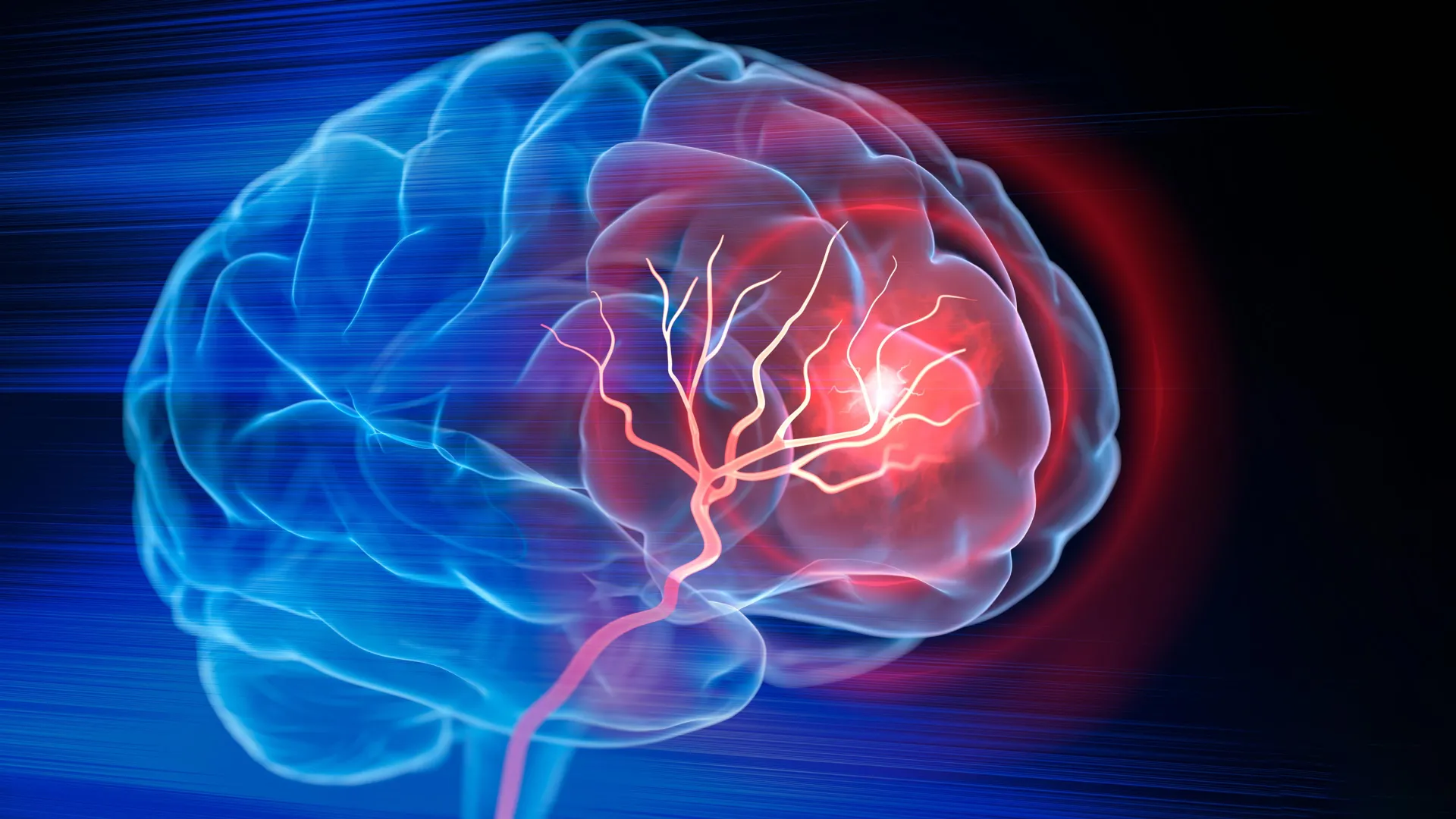
Researchers at Duke University have developed an injectable biomaterial that could enhance recovery from brain damage caused by ischemic strokes. This new treatment works by transforming the cavity left by dead brain tissue into a supportive environment that encourages healing. In studies with mice, the material not only attracted the body’s immune cells but also promoted the formation of new blood vessels and improved motor function, suggesting a potential pathway for better recovery after stroke.
This advancement is particularly relevant for the millions who suffer from ischemic strokes each year, where blood flow to the brain is blocked, leading to tissue death. Current treatments can restore circulation but do not repair the lost brain tissue. The new biomaterial aims to bridge this gap by engineering the damaged area to facilitate the body’s natural repair processes. For those looking to age well, this could mean improved recovery options and better outcomes after a stroke, particularly in terms of motor skills and overall brain health.
While the findings are promising, they are still in the early stages of research. The treatment has only been tested in mice, and more studies are needed to ensure its safety and effectiveness in humans. The researchers are also exploring the use of human-derived cells to make the treatment more applicable to clinical settings. As this research progresses, it could lead to innovative therapies that significantly enhance recovery for stroke survivors.
For now, staying informed about advancements in stroke recovery and maintaining a healthy lifestyle could be beneficial. Engaging in regular physical activity, managing blood pressure, and eating a balanced diet are all foundational steps to support brain health and overall longevity.
References
This article is a plain-English summary of the reporting below. Full figures, methodology and caveats are in the original.